Time Played Gauge within Cash or Crash Live to UK Users
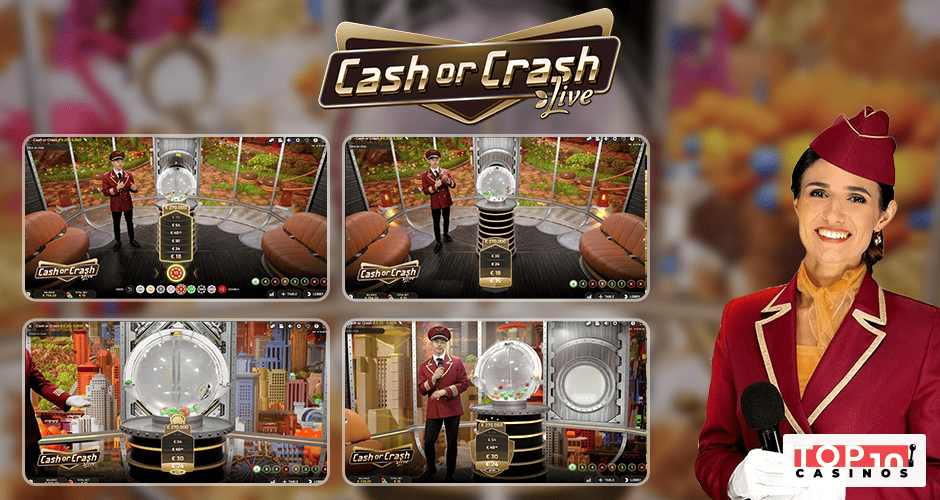
Cash or Crash Live has turned into a fixture in the UK online casino scene, a game show that blends tactics and live studio drama. For users who enjoy that combination, there is one element you should master completely: the Play Duration Gauge. Don’t view it as a simple clock. It’s the key element of the game’s risk-reward mechanism. This on-screen timer governs every strategic move you make. Understanding it is the difference between spectators from serious players who can reliably increase winnings and manage the game’s volatile crashes. We’re going to break this element down to fundamentals and then reassemble it. You will discover its primary role, how to read it, and some psychological tactics that can enhance your advantage. The aim is to provide you with a strong, practical grasp of this dynamic feature, changing your gameplay and increasing the excitement of each session.
What Precisely is the Time Played Indicator?
The Time Played Indicator in Cash or Crash Live is a progress bar on your screen that monitors the length of the current round. Imagine it as a visual gauge for the building tension. It goes back to zero when a new balloon begins its climb. As the balloon ascends and the cash prize multiplier grows with each second, the bar steadily fills. You’ll see it displayed prominently, sitting alongside the live presenter, the rising balloon, and the current multiplier. For players in the UK, this indicator is the essential tool for measuring risk. The more the bar fills, the more time has elapsed, and the higher the statistical chance of a crash becomes. It turns an abstract feeling of risk into something concrete you can measure. This lets you make decisions based on more than just a gut instinct. The game uses it to show you the pressure mounting in real time, making every moment a potential decision point. Its design is straightforward but contains real strategic depth. It acts as your dashboard for the volatile journey of each round, a feature UK live casino fans have come to rely on for its clear blend of simplicity and necessity.
In what way Cash or Crash Live Measures up to Alternative Game Shows
The thing that sets the Time Played Indicator in Cash or Crash Live aside from different UK live casino game shows? In games like Monopoly Live or Dream Catcher, win mechanics depend on wheel spins or dice rolls. These are separate events with quick outcomes. The tension is all in the spin itself. Cash or Crash Live introduces a continuous, creeping tension. The Time Played Indicator creates a special, slow-burn drama that unfolds second by second. It’s less about a individual moment of chance and instead about sustained nerve and strategic decision-making under growing pressure. This ongoing engagement distinguishes it. You make active choices throughout the full round. You are not merely a spectator looking for a result. You serve as the pilot watching the climbing altitude, deciding the optimal moment to eject. This hands-on participation, guided by the indicator, is a big part of its addictive appeal. As opposed to the binary win/lose of a card draw or a wheel stop, Cash or Crash Live presents a range of outcomes straight influenced by your interaction with time. That makes it a distinctly cerebral and exhilarating part of the UK live casino lineup.
Expert Methods for Experienced Gamers
Looking to advance? For players who know the basics, the Time Played Indicator enables more advanced tactics. One advanced method relies on statistical observation over many rounds. While each round is random, tracking where crashes tend to happen in relation to the indicator over a long session can offer a impression for the game’s rhythm. Never misinterpret this feel for a prediction. Another tactic is dynamic bet sizing used with the indicator. You may place a larger base bet with the plan to cash out early at a low indicator and multiplier for a solid, quick win. Conversely, you could use a smaller risky bet with the goal of riding the indicator deep into the high-risk zone. This limits potential loss while exposing you to huge upside. The most crucial advanced tactic is mental discipline. Use the indicator to stick to your pre-set strategy despite the adrenaline. Consider a “reverse indicator” strategy for recovery after a loss: lower your bet and target a cash-out in the early green zone. This steadily regains confidence and bankroll, using the indicator as a strict governor to prevent emotional overreach.
Typical UK Player Mistakes to Avoid
Even seasoned players can stumble if they misinterpret try your luck at cash or crash live disregard the Time Played Indicator. A significant mistake is “chasing the clock.” This happens when a player notices a round achieve a 40x multiplier and then believes the next round will follow suit, hesitating to cash out early. That’s the gambler’s fallacy. Each round is unrelated, and the indicator clears every time. Another common error is cashing out too early, regularly, out of fear. If you constantly bail at a 2x multiplier the second the indicator moves, you’ll forgo the game’s profit potential. Your small wins might not cover your losses over time. A key pitfall is playing without goals. Starting a session without a plan for what indicator level or multiplier you’re targeting leads to impulsive, emotion-driven decisions. The clock is a tool for discipline, not a cause for panic or greed. A similar mistake is ignoring the indicator altogether and focusing only on the multiplier. This detaches you from the core risk mechanism. Always remember: a high multiplier with a nearly full indicator is a ticking time bomb, not a guaranteed prize.
Strategic Cashing Out: Timing is Everything
This is where your expertise gets challenged, and your palms might get sweaty. Your main key choice in Cash or Crash Live is when to press the cash-out button. The Time Played Indicator is your primary advisor for that decision. A conservative strategy could mean cashing out the instant the indicator hits a certain point, like 50%, locking in consistent but more common wins. A more aggressive approach involves riding the indicator much longer, going for those 10x, 20x, or higher multipliers, while acknowledging the crash could come any second. There is no one “correct” moment, as the crash is always unpredictable. The indicator helps you control your personal risk profile instead. Many successful UK players use a tiered approach. They cash out chunks of their bet at different indicator points. This secures some profit early while letting a smaller portion follow the higher-risk wave. For illustration, you could cash out 50% of your stake at a 5x multiplier in the amber zone, and let the other 50% aim for 10x or more. This balanced method, informed by the visual cue of the indicator, safeguards your bankroll while holding you in the game for the exciting high-multiplier moments that characterize Cash or Crash Live.
The Essential Link Connecting Time and the Crash
Time is the key in this game. Cash or Crash Live operates on an algorithm where the chance of the balloon popping increases bit by bit as time elapses. The Time Played Indicator is your clear view into this rising probability. At the start of a round, when the indicator is barely filled, the risk is minimal. The game is in a “safe” zone, but the expected payouts are also small. As the indicator rises, the multiplier increases too, presenting enticingly large rewards. This brings a steep cost: a rapidly increasing likelihood of a sudden crash that concludes the round and costs your stake if you failed to cashed out. This immediate link generates the game’s unique drama. You are not just wagering on a random outcome. You are dynamically managing a trade-off between risk and reward in real time, with the clock as your reference. It’s a nerve-wracking balance of greed and caution. The algorithm ensures fairness and unpredictability, but the indicator provides you a framework to understand the changing odds. It transforms you into an active participant in a mathematical dance with chance, where every tick forward advances into more lucrative and more dangerous territory.
Methods to Read the Indicator Like an Expert
Interpreting the Time Played Indicator well is the basis of tactical play. It is generally a horizontal bar that loads from left to right, often with a color gradient that may change from green into red. Some versions contain numerical timers or percentage marks. The key is to never look at it alone. A skilled player always checks the indicator against two other data elements: the live cash multiplier and their own predetermined plan. For example, a multiplier of 5x with the indicator only a quarter full is a wholly different case from a 5x cash multiplier with the indicator three-quarters full. In the first scenario, the round is young and the risk of crashing is still minimal for that reward level. In the second scenario, that identical reward is under serious threat. Get comfortable with this dynamic by viewing a few test rounds. Focus on how the indicator moves relative to where crashes typically happen. To achieve true mastery, absorb these three visual zones:
- The Safe Zone (0-30%): This is the gathering phase. The indicator increases steadily, multipliers remain low (like 1x to 3x), and chance of a crash is very low. It is usually safe to leave your bet in place here.
- The Yellow Zone (30-70%): The excitement begins here. Multipliers become enticing (4x through 15x), and risk escalates noticeably. This is the main decision-making window for most tactical cash-outs.
- The Red Zone (70-100%): This is high-stakes territory. Multipliers can skyrocket past 16x or more, but a crash is statistically likely. Operating here is a high-volatility gamble. It’s thrilling but dangerous.
Responsible Gaming and the Session Duration Display
Promoting enjoyable, honest, and safe gaming is a focus, particularly for UK users. The Play Duration Indicator is more than a planning instrument. It can also be a ethical gaming helper. Its vivid representation of increasing volatility acts as a automatic prompt of your bet’s increasing volatility. We urge all users to use it as part of a healthy gaming approach. Here’s how:
- Establish Time & Loss Caps: Determine your gaming time and loss limit before you commence. The indicator can aid you pace your play and recognize when to quit.
- Employ It to Set Cash-out Objectives: Pick a practical payout ratio and cash-out marker for cashing out, then stick to it. Avoid getting greedy and continually chasing the clock into the risk area.
- Step Away: The ongoing pressure of watching the indicator rise is overwhelming. Take a break after a large victory or a annoying failure to reset your thoughts.
Developing Your Attitude for Peak Enjoyment
The last, and maybe most critical, factor in using the Time Played Indicator is your mindset. View Cash or Crash Live as a exciting form of entertainment first. See the indicator as the orchestrator of that thrill, not an adversary you have to beat. Embrace the swings. The initial crashes and the spectacular rides to high multipliers are all portion of the show. A positive mindset acknowledges the randomness. No degree of staring at the indicator will let you anticipate the exact crash moment. Your strategy should center on managing your bankroll and emotions, not on “beating the system.” Celebrate the smart cash-outs you timed well with the indicator. Take lessons from the times you paused or jumped too soon. When you combine a cool head with a keen understanding of that ticking clock, you unlock the true, thrilling experience of Cash or Crash Live. To build this champion’s mindset, try these psychological drills:
- Perform Detached Observation: Dedicate a session just observing the indicator and multiplier without placing bets. Record your emotional impulses without acting on them.
- Simulate Strategies: Employ play-money modes to test different cash-out points relative to the indicator. This erases financial pressure from the learning process.
- Post-Session Review: Briefly note down key decisions where the indicator steered you well or where you ignored it. This builds strategic discipline for next time.
The Time Played Indicator is the tactical core and the main source of suspense in Cash or Crash Live. For UK players, grasping its relationship with crash probability and the rising multiplier is what changes gameplay from random guessing to informed decision-making. By discovering to read it accurately, employing smart cashing-out strategies, avoiding common pitfalls, and always pairing it with responsible gaming principles, you can greatly boost your enjoyment and potential success. Take a deep breath, fix your eyes on the clock, and get ready to enjoy the unique thrill of deciding exactly when to cash or when to ride the wave. Good luck, and play smart.

